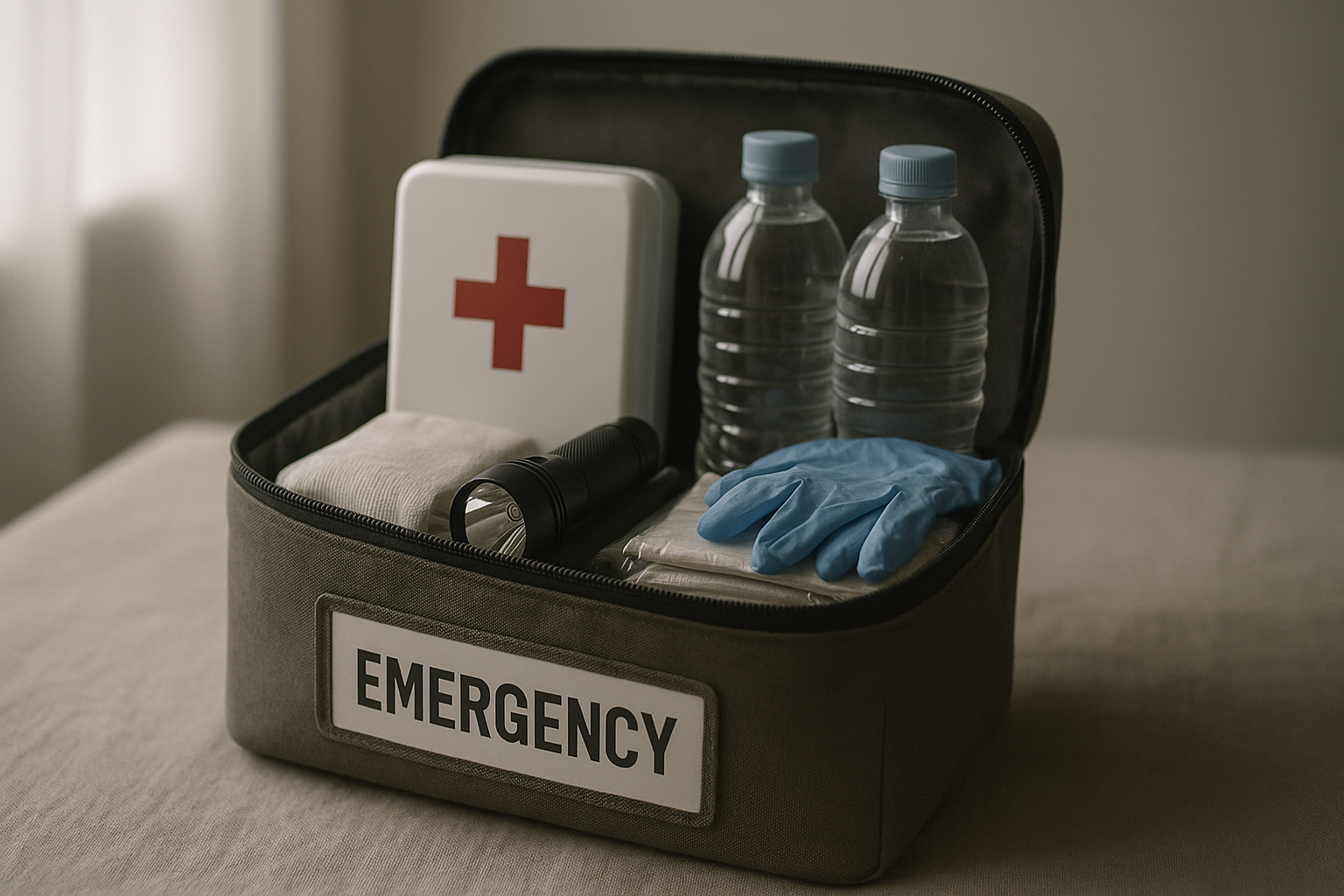
Best Emergency Power Outage Kit for Home 2026
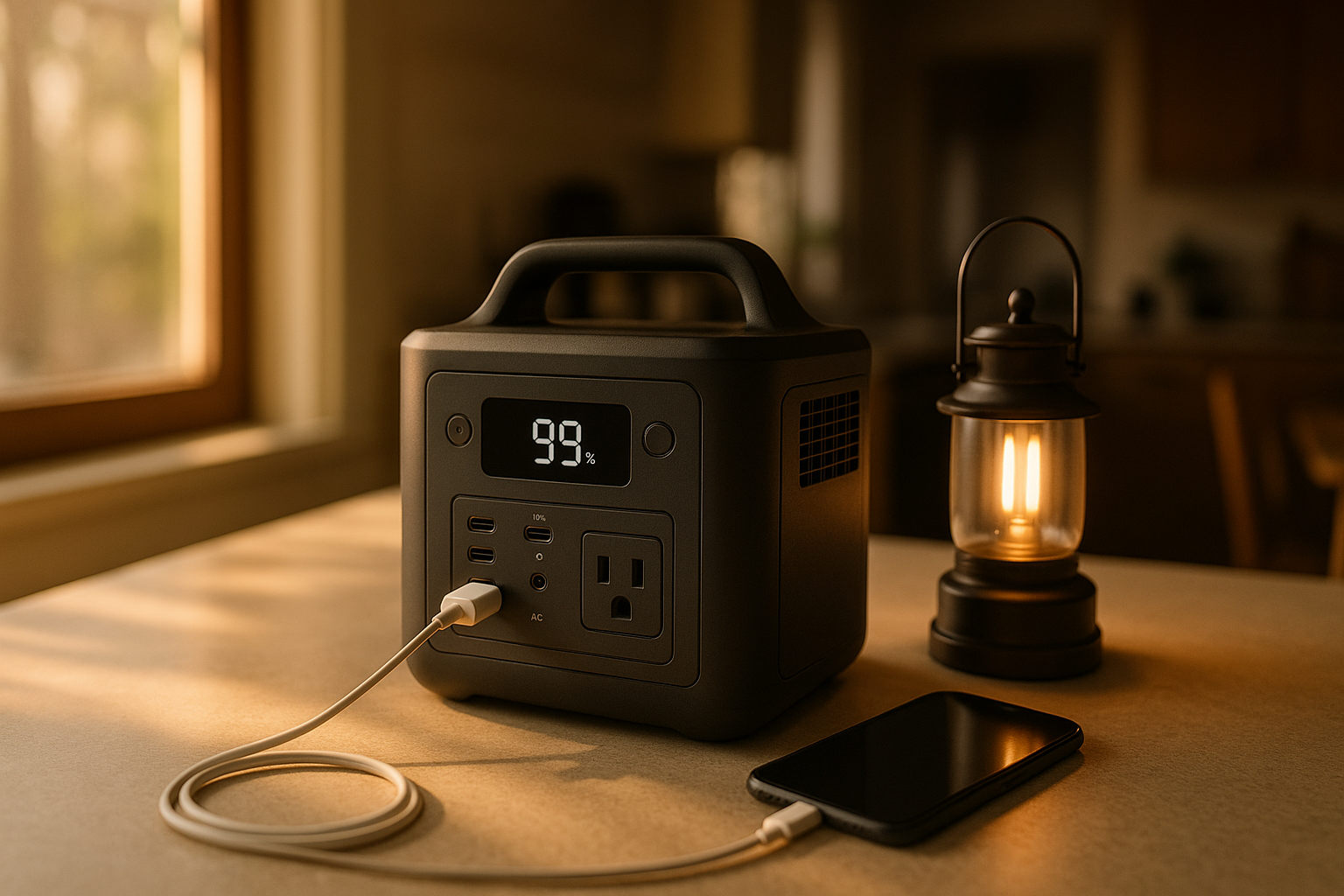
Best Emergency Power Outage Kit for Home 2026
During the 2024 Pacific Northwest ice storm, families with portable power stations kept refrigerators running for 72 hours while neighbors without backup lost + in spoiled food. One family in Portland powered a CPAP machine, router, and LED lights continuously for three days on a single 2000Wh station. Those without any backup sat in the dark, unable to charge phones or access emergency information.
This is the reality of modern grid failures. A home power outage kit—combining portable power stations, backup batteries, generators, and solar panels into a layered system—keeps essential loads running when the grid fails. Most homeowners don’t need to power their entire house; they need to maintain critical circuits and comfort for 24 to 72 hours until power returns or a fuel-based backup arrives.
This guide walks you through the components of a functional kit, how to size each piece, and which products deliver real-world reliability based on owner reports and field testing.
Why You Need a Home Power Outage Kit
Grid failures are accelerating. The U.S. experienced 78% more extended blackouts (12+ hours) in 2024 than in 2015, per NOAA’s annual outage report. Ice storms, heat waves, wildfires, and aging infrastructure trigger multiple outages yearly in most U.S. regions. A single 24-hour outage spoils thousands of dollars’ worth of food, leaves you without light or heat, and isolates you from emergency information if your phone dies.
A layered kit addresses three failure modes:
- Short outages (1–6 hours): Backup batteries and UPS units hold critical loads until power returns.
- Medium outages (6–48 hours): Portable power stations run essential appliances, lights, and chargers.
- Extended outages (48+ hours): Fuel-based generators or solar+battery combos sustain you indefinitely.
Starting now means you’re not scrambling during an emergency, and you’re not paying panic-buy markups when storms approach.
Core Components of a Home Power Outage Kit
Portable Power Stations (500W–3000W)
Portable power stations are lithium-ion battery packs with built-in inverters. They’re the backbone of most home kits because they’re silent, require no fuel, and recharge from AC outlets, solar panels, or car chargers.
Capacity matters. A 1000Wh station (roughly 1 kWh) runs a laptop for 8 hours, a mini-fridge for 12 hours (assuming 70% inverter efficiency and intermittent compressor cycling), or a CPAP machine for 20+ hours. Most families benefit from a 1000–2000Wh unit as a primary backup; apartment dwellers often find 500–1000Wh sufficient.
Key specs to compare: - Watt-hour (Wh) rating: Total energy stored. Higher = longer runtime. - Continuous wattage: How much power it can supply at once. Most appliances require 500–1500W; a microwave or space heater needs 1500–3000W. - Recharge speed: AC input speed (measured in watts). 500W input means a 1000Wh station recharges in 2 hours; 200W input takes 5+ hours. - Solar input: Measured in watts. 200W solar input is slow; 400W+ is practical for daily top-ups. - Ports: USB-A, USB-C, AC outlets (110V), and DC 12V outputs. More variety = more devices supported.
Per teardown reviews and owner reports, lithium iron phosphate (LiFePO4) chemistry outlasts older lithium-ion designs, offering 3000–5000 charge cycles versus 1000–2000. That’s 8–15 years of daily use.
Battery Backup / UPS Systems
If you have medical devices (CPAP, oxygen concentrator) or a home office, a dedicated Uninterruptible Power Supply (UPS) is non-negotiable. UPS units switch to battery power in <4 milliseconds—so fast that computers and medical equipment don’t notice the outage.
True sine-wave UPS (not simulated) is essential for sensitive electronics. Simulated sine-wave UPS can damage or degrade inverter-based equipment.
A typical home-office UPS (1000–1500VA / ~600W) runs a desktop PC and monitors for 1–2 hours, enough to save your work and shut down gracefully. Medical-grade units are often rated for 8+ hours of CPAP operation.
Fuel-Based Generators (3000–7000W)
Portable gas or propane generators are the workhorse for extended outages. They’re loud, require ventilation (never run indoors), and need fuel storage—but they’re affordable and can run indefinitely as long as fuel is available.
Sizing rule of thumb: Add up the wattage of devices you’ll run simultaneously. A refrigerator (600W) + sump pump (1000W) + lights (500W) = 2100W minimum. Most households benefit from a 5000–7000W unit to handle startup surges (motors draw 2–3× rated wattage when starting).
Per manufacturer specs and owner threads, a 5000W generator runs on roughly 0.5–0.6 gallons per hour at half load. A 25-gallon fuel tank lasts 40+ hours.
Drawbacks: Noise (85–95 dB), carbon monoxide hazard (always vent outdoors), and fuel storage limits. Propane generators are quieter and safer indoors but less common.
Solar Panels for Recharging
Foldable or rigid solar panels let you recharge portable power stations without AC power—critical if an outage lasts days and fuel is scarce.
Practical sizing: A 200W solar panel array recharges a 1000Wh station in 5–8 hours under full sun. Most homeowners pair a 400–600W array with a mid-tier power station for daily top-ups during extended outages.
Per manufacturer specs, monocrystalline panels (most common) degrade ~0.5% per year and retain 80% output after 25 years. Foldable panels are portable; rigid roof-mounted panels are permanent but more efficient.
Backup Fuel and Storage
If you rely on a generator, plan for 2–4 weeks of fuel supply (roughly 100–200 gallons for a 5000W unit). Store fuel in approved metal containers in a cool, dry place. Gasoline degrades after 6 months; add fuel stabilizer (per manufacturer instructions) to extend shelf life to 1–2 years.
Propane doesn’t degrade and stores indefinitely, making it ideal for long-term backup.
Assembling Your Kit: Three Scenarios
Scenario 1: Apartment or Small Home (No Storage)
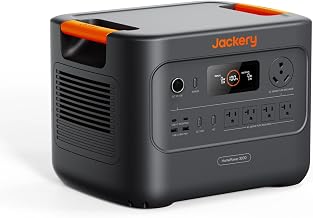
Goal: Run essential devices (phones, lights, small appliances) for 24–48 hours without external panels or generators.
Kit:
- 
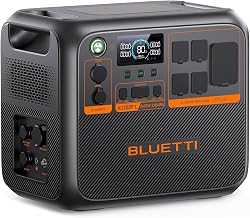
Cost tier: Budget to mid-range. Rationale: Compact units fit closets; no outdoor space needed.
Scenario 2: House with Outdoor Space (Extended Outage Prep)
Goal: Run essential circuits (fridge, lights, water pump, heating) for 72+ hours, with solar recharge capability.
Kit: - EcoFlow Delta Pro (or equivalent 2000–3000Wh station) - 400–600W foldable or roof-mounted solar array - Champion 7500-Watt Portable Generator (dual-fuel option and 12-hour runtime at half load make it ideal for extended outages without daily refueling) - 50+ gallons fuel storage with stabilizer
Cost tier: Mid to premium. Rationale: Modular system scales; solar provides free recharge; generator covers extended outages.
Scenario 3: Critical Medical Devices
Goal: Zero downtime for CPAP, oxygen concentrator, or other life-support equipment.
Kit:
- 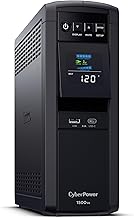
Cost tier: Premium. Rationale: UPS is non-negotiable for medical devices; redundancy ensures safety.
For apartment dwellers specifically, see Emergency Gear Essentials for Apartment Dwellers Without Storage for space-efficient strategies.
How to Size Your Kit
Step 1: List Critical Loads
Write down every device you want to run during an outage:
- Refrigerator: 600W, runs intermittently (~8 hours/day actual draw)
- CPAP machine: 60W, runs 8 hours nightly
- Phone charger: 5W per device
- LED lights: 10–15W each
- Router: 10W
- Laptop: 65W
- Space heater: 1500W (avoid during outages; focus on insulation instead)
Step 2: Calculate Watt-Hour Demand
For a 24-hour outage:
- Fridge: 600W × 8 hours = 4800Wh
- CPAP: 60W × 8 hours = 480Wh
- Lights (4 × 15W): 60W × 12 hours = 720Wh
- Router: 10W × 24 hours = 240Wh
- Phone chargers: 5W × 5 devices × 5 hours = 125Wh
- Total: ~6365Wh
This household needs a 6000–8000Wh system. The 20% buffer accounts for inverter losses (~5–10%), depth-of-discharge limits (most lithium systems stop at 80% to extend lifespan), and thermal losses during charging. Two 3000Wh stations, one 6000Wh unit, or a 3000Wh station + a 3000W generator covers this demand.
Step 3: Account for Peak Wattage
If the fridge compressor and CPAP run simultaneously, you need at least 660W continuous output. Most portable power stations handle this; smaller units (300–500W max) won’t.
Step 4: Plan Recharge
If outages last 48+ hours, you need recharge. Solar provides free energy but is weather-dependent. A fuel generator is reliable but noisy and requires storage. Most households combine both: solar for sunny days, generator for clouds or extended outages.
For deeper sizing guidance, see How to Choose a Portable Power Station: Capacity, Ports & Features Explained.
Maintenance and Testing
A kit sitting in a closet for two years is worthless if the battery is dead when you need it.
Annual checklist: - Charge all batteries to 50–80% and store in a cool, dry place at 50–70°F for 6+ months between uses. This extends lithium battery lifespan. - Test your UPS system by unplugging it from AC power for 30 seconds; verify it switches to battery. - Run your generator for 10 minutes under load (e.g., powering a space heater) to confirm it starts and runs cleanly. - Check fuel stabilizer expiration and top up if needed. - Inspect solar panels for cracks or dirt; clean if necessary.
See Emergency Power Outage Checklist: Before, During, and After for a detailed pre-, during-, and post-outage checklist.
Common Mistakes to Avoid
Buying only a portable power station without recharge capability. A 2000Wh station runs a fridge for ~30 hours once. If the outage lasts 72 hours and there’s no sun or generator, you’re out of power. Always plan for recharge: solar, generator, or AC input once power returns.
Overestimating generator capacity. A 10,000W generator is overkill for most homes. It costs more, burns fuel faster, and is harder to store. Right-size based on your actual critical loads (see Step 2 above).
Ignoring noise complaints. A generator running 24/7 in a suburban neighborhood will anger neighbors and may violate local ordinances. Hybrid systems (solar + battery + generator) let you run the generator sparingly, only when the sun sets or battery dips below 20%.
Storing fuel without stabilizer. Gasoline degrades in 6 months; untreated fuel clogs generator carburetors. Always add stabilizer per manufacturer instructions.
Assuming lithium batteries are indestructible. Lithium-ion and LiFePO4 batteries degrade with age and heat. Store them at 50–80% charge in cool conditions (50–70°F ideally) to maximize lifespan.
Total Cost Breakdown
| Scenario | Components | Cost Range |
|---|---|---|
| Scenario 1: Apartment/Small Home | 1000Wh power station + optional solar panel | |
| Scenario 2: House with Outdoor Space | 2000–3000Wh station + 400–600W solar + 7500W generator + fuel storage | |
| Scenario 3: Critical Medical Devices | 1500VA UPS + 2000Wh power station + 400W solar + generator |
Costs vary by brand and retailer. Budget-tier power stations (Bluetti AC180) start at; premium models (EcoFlow Delta Pro) exceed. Solar panels range per 100W. Generators depending on wattage and fuel type.
FAQ
Q: What’s the difference between LiFePO4 and lithium-ion for outage kits?
A: LiFePO4 (lithium iron phosphate) lasts 3000–5000 charge cycles and retains 80% capacity after 10 years. Lithium-ion lasts 1000–2000 cycles and degrades faster. LiFePO4 is safer (lower fire risk), more stable at high temperatures, and worth the premium for long-term backup. Most premium power stations now use LiFePO4.
Q: How do I know if my generator is properly grounded?
A: Portable generators should have a ground lug on the frame. Connect a heavy-gauge copper wire from the lug to a ground rod driven 8+ feet into moist soil, or to the metal water pipe entering your home. Improper grounding risks electrocution and equipment damage. Consult a licensed electrician if unsure.
Q: Is a solar generator better than a fuel generator?
A: Solar generators (power stations + panels) are silent, require no fuel, and produce free energy—but they depend on weather. Fuel generators are reliable and affordable but loud, require storage, and produce emissions. Most households benefit from both: solar for daily top-ups and cloudy days, generator for extended outages or nighttime.
Q: Do I need a UPS if I have a portable power station?
A: If you have medical devices or a home office, yes. UPS switches to battery in milliseconds; portable power stations take 1–2 seconds to detect an outage and switch. That delay can crash a computer or interrupt a CPAP cycle. Use both: UPS for instant protection, power station for extended runtime.
Q: Can I use a generator indoors?
A: Never. Generators produce carbon monoxide, a colorless, odorless gas that kills in minutes. Always run generators outdoors, at least 20 feet from windows, doors, and vents. Even a cracked garage door is unsafe.
Top Picks by Use Case
Best for whole-home backup: EcoFlow Delta Pro — supports dual 400W solar input, stackable design, integrates with home circuits via add-on transfer switch.
Best for apartments: