Power Outage Preparedness for Apartments in 2026
Power Outage Preparedness for Apartments: What You Can Actually Do
Apartments present a power-outage problem that houses don’t: you can’t install a whole-home generator, you can’t modify the electrical panel, and you may not even control the thermostat. But that doesn’t mean you’re helpless. The right combination of portable power, smart storage, and behavioral prep can keep you safe and comfortable when the grid goes down—even in a studio with a landlord who watches every screw hole.
This guide covers what actually works in apartment living, what your lease likely forbids, and where to spend your prep money for maximum resilience.
The Apartment Power Outage Reality
Apartments face three hard constraints that houses don’t:
No permanent backup power. Whole-home generators, battery banks, and solar arrays require roof access, electrical permits, or landlord approval—often denied. You’re limited to portable solutions.
Limited storage space. A single-bedroom apartment has nowhere to stash a month’s worth of supplies like a house does. Every item must earn its place.
Shared infrastructure vulnerability. Your power depends on a single utility line, a shared transformer, and building wiring you don’t control. A single fault can take out your entire complex, and repair timelines are unpredictable.
No outdoor installation. Balconies and patios are often lease-restricted. Solar panels, air-intake generators, or external vents may violate your rental agreement.
Understanding these constraints first prevents you from buying gear that won’t work—or that your landlord will force you to remove.
Portable Power Stations: The Core of Apartment Prep
A portable power station is your primary tool. Unlike a generator, it’s silent, produces no fumes, requires no fuel, and fits in a closet. It’s the only backup power source most apartments allow.
What to look for:
- Capacity (Wh). Measured in watt-hours. A 500 Wh unit powers a laptop, phone, and LED lights for a day. A 1000+ Wh station can run a small refrigerator, space heater, or CPAP machine for several hours. For apartments, 500–1500 Wh is the sweet spot; anything larger becomes unwieldy in limited space.
- Recharge speed. Wall-outlet recharge time matters more in apartments than in houses. A unit that recharges in 4–6 hours from a standard outlet is far more practical than one requiring 12+ hours, especially if outages are frequent.
- Noise level. Apartments have thin walls. Many portable stations are silent when powered (they use solid-state inverters, not fans). Verify this before buying; some cheaper models include cooling fans that neighbors will hear.
- Pass-through charging. Some units let you charge devices while the station itself charges. In a rolling blackout, this feature is invaluable.
For deeper guidance on sizing and runtime, see How to Choose a Portable Power Station: Wattage, Capacity & Runtime Explained for a step-by-step sizing calculator.
Where to place it: A bedroom closet, under-bed storage, or living-room cabinet. Keep it accessible but out of sight—landlords are less likely to object if they don’t see it daily. Avoid damp spaces (bathrooms, basements) and direct sunlight.
Backup Power Tiers for Different Apartment Sizes
Studio or one-bedroom apartment (limited closet space): A budget-tier 300–500 Wh portable station is sufficient. It covers phone/laptop charging, LED lighting, and small appliances (mini-fridge, fan) for 12–24 hours. Pair it with a hand-crank or solar charger to extend runtime if outages persist.
Two-bedroom apartment (more storage flexibility): A mid-tier 1000 Wh station gives you meaningful runtime for critical loads: a space heater or small air conditioner for 4–6 hours, a refrigerator for 8–12 hours, or all-day phone and laptop use. This is the most practical size for apartments; it’s portable enough to move between rooms but capable enough to handle real emergencies. Examples include the Jackery Explorer 1000 and EcoFlow Delta Mini.
Larger apartment or loft (dedicated storage closet): A premium-tier 2000+ Wh system (+) can power essential appliances for extended outages. However, check your lease—some landlords cap the number or size of electrical devices tenants can keep. A written permission email is your best defense if a landlord later objects.
Renewable Charging: Solar and Hand-Crank
Portable power stations drain quickly if you can’t recharge them. In apartments, wall outlets may be limited during an outage (if the building has partial power loss) or unavailable (if the entire grid is down). Renewable charging extends your resilience.
Portable solar panels: Balcony-mounted or window-facing solar panels can trickle-charge a power station during the day. Per manufacturer testing, a 100 W panel adds 200–400 Wh per sunny day to a portable station—enough to offset daily phone and laptop use. Solar is silent and requires no fuel, making it ideal for apartments. The tradeoff: it’s weather-dependent and slower than wall charging. See Best Portable Solar Panels for Camping: Wattage & Durability Tested for durability comparisons.
Hand-crank and manual chargers: A hand-crank generator or solar hand-charger is a backup-to-the-backup. It won’t recharge a large power station, but it can top up a phone or emergency radio in 30–45 minutes of cranking. These are cheap (budget-tier) and take up almost no space. Keep one in a kitchen drawer as insurance.
Balcony and window constraints: Before installing solar, check your lease. Some landlords prohibit external installations. If yours does, a portable solar panel that leans against a window or sits on a table is less likely to trigger complaints than one bolted to the railing. Per long-running threads on r/apartments, the “it’s portable, not installed” argument has worked for some tenants, but enforcement varies by building.
Water, Food, and Climate Control Without Power
A power outage isn’t just about electricity—it’s about staying safe and comfortable when systems fail.
Water: Apartments rely on municipal water pressure. If the power goes out, the pump that pressurizes the building may fail, cutting off water to upper floors. Store at least 1 gallon per person per day, for 3 days minimum. That’s 3 gallons for a single person, 6 for a couple. Use food-grade water containers and rotate stock every 6 months. A water filter or purification tablets add redundancy if your stored supply runs low.
Food and refrigeration: Keep a 3-day supply of shelf-stable food: canned goods, granola bars, nuts, crackers, peanut butter. A small portable power station can keep a mini-fridge running for 12–24 hours, buying time for a larger outage to resolve. If you have a full-size refrigerator, keep it as full as possible—a packed fridge holds cold longer than an empty one. Avoid opening it during an outage; every door opening raises the internal temperature by several degrees.
Climate control: Apartments are vulnerable to temperature extremes. In winter, a space heater powered by a mid-tier portable station can warm a single bedroom for 4–6 hours. In summer, a small fan or portable air conditioner can run for similar durations. Layer clothing and use blankets to extend comfort without draining power. In extreme heat, a portable power station powering a fan is less effective than moving to a cooler public space (library, mall, community center)—don’t hesitate to evacuate if the apartment becomes unsafe.
Lighting and Communication
LED flashlights and lanterns: Forget candles—they’re a fire hazard in apartments. Instead, stock 2–3 LED flashlights and a rechargeable LED lantern. For example, the BioLite SiteLight lasts 30 hours per manufacturer spec and doubles as a power bank for phones. Budget-tier options.
Emergency radio: A battery-powered or hand-crank emergency radio keeps you informed during an outage. It receives NOAA weather alerts and local emergency broadcasts. Pair it with a portable power station so you can charge it if the outage lasts more than a few days.
Phone charging: Your phone is your lifeline. A portable power station with USB-C and USB-A ports ensures you can charge any device. Keep a car charger as a backup if you have access to a vehicle. A solar hand-charger is a last resort but beats a dead phone.
Medication, Medical Equipment, and Special Needs
If you rely on refrigerated medication, a CPAP machine, an oxygen concentrator, or other powered medical equipment, a power outage is a serious health risk.
Medication: Most medications are stable at room temperature for short periods (12–48 hours). Check the label or call your pharmacy. If refrigeration is critical, store medications in an insulated bag with ice packs from your freezer—they’ll stay cold for 4–8 hours. Request a 30-day supply from your pharmacy if possible, so you have buffer stock.
CPAP and oxygen equipment: Per typical manufacturer specs, these devices draw 30–100 W depending on the model. A ResMed AirSense 10 (a common CPAP) draws approximately 60 W. A mid-tier 1000 Wh portable station can power a CPAP for 10–15 hours. For longer outages, contact your equipment supplier—many have emergency protocols and can loan you a battery backup or arrange temporary hospitalization. Keep a list of these contacts and your prescription details in a waterproof folder.
Mobility aids and power wheelchairs: If you use an electric wheelchair or scooter, prioritize charging it during any outage warning (before the grid fails). A portable power station can extend runtime if the outage is brief. For extended outages, contact your local disability services agency—they often have emergency resources for people with mobility needs.
Lease and Landlord Considerations
What landlords typically allow: Portable power stations, LED flashlights, emergency radios, stored water, and shelf-stable food are almost universally permitted. They’re non-permanent, non-invasive, and pose no structural or electrical risk.
What often requires permission: Solar panels (even portable ones), generators (gas or propane), window-mounted air conditioners, and large battery banks. Some landlords prohibit anything that looks “non-standard.” Before buying, check your lease and ask in writing. A simple email—“I’d like to keep a portable solar panel on my balcony for emergencies. Is this permitted?”—gives you a paper trail.
What’s almost always forbidden: Roof access, exterior installations, electrical modifications, and gas/propane equipment. Don’t attempt these without explicit written permission.
Damage and liability: If your portable power station or solar panel damages the apartment (water intrusion, electrical fault), you’re liable. Use waterproof cases, avoid running cables under doors (a tripping hazard), and keep equipment away from water sources. A renter’s insurance policy typically covers emergency gear—check your policy or call your agent.
Building Your 3-Day Emergency Kit for Apartments
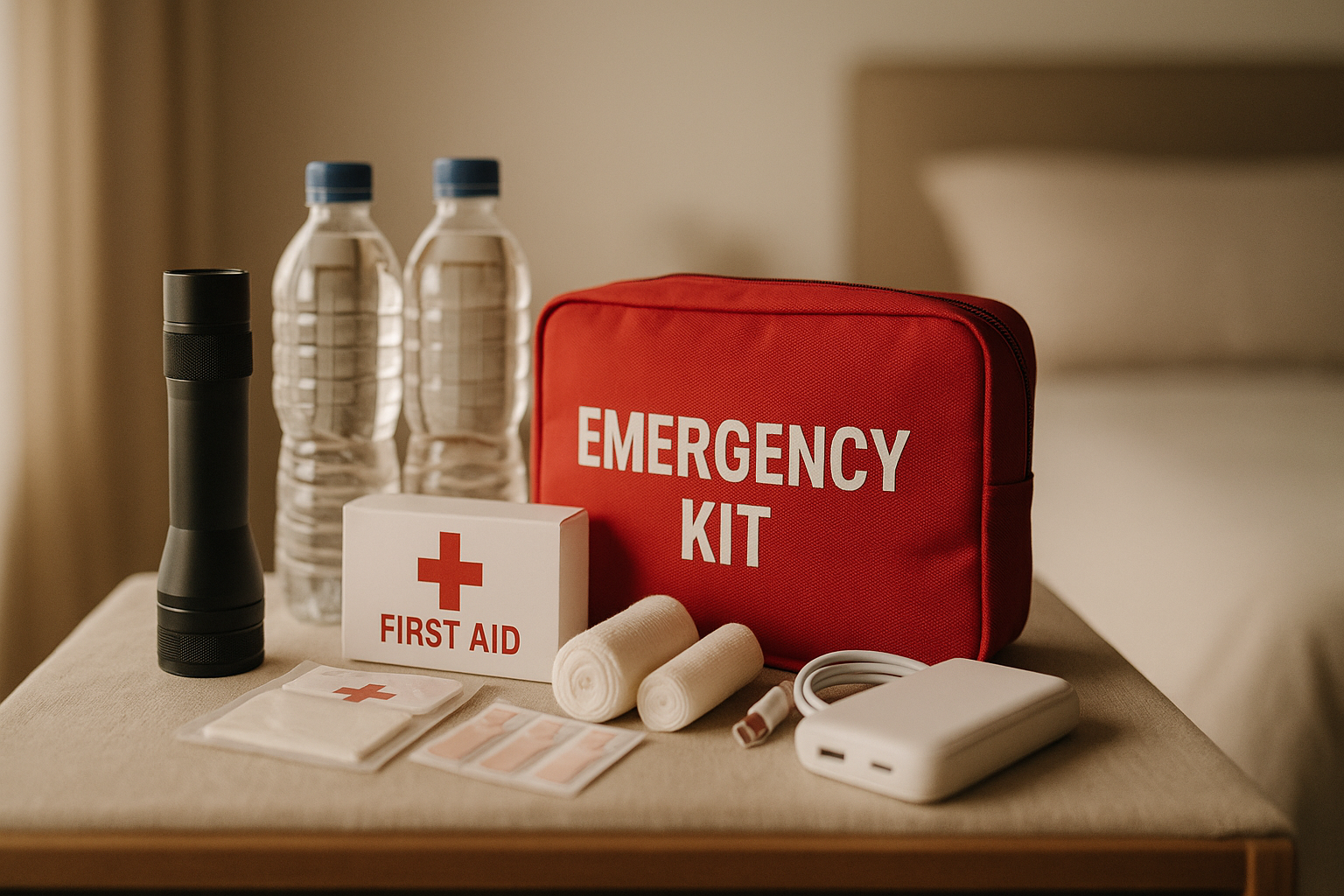
A focused 3-day kit is realistic for apartments. Here’s what to prioritize:
- Portable power station (mid-tier, 1000 Wh):
- Portable solar panel (100 W):. Optional if you’re confident you can recharge from wall outlets.
- Water storage (3 gallons per person):
- Shelf-stable food (3-day supply):
- LED flashlights and lantern (2–3 units):
- Emergency radio:
- First-aid kit and medications: (depends on personal needs)
- Phone chargers and cables (USB-C, USB-A, car charger):
Total:. This covers the essentials and fits in a closet or under-bed storage.
For more detailed kit-building guidance, see How to Build a Home Emergency Kit for Power Outages.
What to Do When an Outage Hits
Immediately (first hour): - Charge your phone and any medical devices from your portable power station. - Fill a bathtub with water (for toilet flushing and washing) if water pressure is still available. - Avoid opening the refrigerator; keep it closed. - Turn off major appliances (oven, water heater, AC) to prevent a power surge when electricity returns.
First 12 hours: - Monitor local news via your emergency radio or a neighbor’s TV. - Ration your portable power station for critical needs: phones, medical equipment, essential lighting. - Eat shelf-stable food; don’t open the refrigerator unless absolutely necessary. - Keep doors and windows closed to maintain interior temperature and prevent heat loss or gain.
12–48 hours: - If power hasn’t returned, move to a cooler or warmer location if your apartment becomes unsafe. - Check on neighbors, especially elderly or disabled residents. - Recharge your portable station from wall outlets if partial power is available. - Use solar panels or hand-crank chargers if the grid is still down.
Beyond 48 hours: - Contact your landlord and utility company for restoration estimates. - Evacuate to a shelter, hotel, or friend’s home if conditions are unsafe. - Document any spoiled food or damage for insurance claims.
FAQ
Q: Can I use a generator in my apartment? A: Portable gas or propane generators are almost always forbidden in apartments due to carbon monoxide risk and noise. Battery-powered portable power stations are the safe, legal alternative. If your lease specifically prohibits all backup power, request a written exception for a portable station—most landlords will agree if you explain it’s for emergencies.
Q: How often should I test my power station? A: Charge it fully every 3–6 months and run a test load (charge a phone or run a light) to confirm it works. This prevents the “I bought it two years ago and it’s dead” scenario. Per manufacturer specs, most lithium-based portable stations retain 80–90% capacity after 3 years of proper storage.
Q: What if my apartment has no balcony for solar panels? A: Window-facing panels work on tables or shelves indoors. A north-facing window produces less power than south-facing, but still charges slowly. If windows are poor, skip solar and rely on wall-outlet recharge and hand-crank backup.
Q: Do I need a whole-apartment backup plan, or just my bedroom? A: Focus on your bedroom and essential spaces first. A single portable station can’t power your entire apartment—prioritize climate control, lighting, phone charging, and medical equipment in the rooms you’ll occupy during the outage.
Q: How do I store a power station long-term without damaging the battery? A: Keep it in a cool, dry place (not a hot garage or damp basement). Charge it to 50% capacity every 3 months. Most lithium batteries degrade faster if stored fully charged or fully depleted. Per manufacturer guidance, this extends lifespan to 5+ years.