Cheapest Solar Generator for Camping: Budget Picks Tested
Cheapest Solar Generator for Camping: Budget Picks Tested
When you’re camping off-grid, a solar generator keeps your devices alive without the noise and fumes of a gas model. But “solar generator” is a loose term—it really means a portable lithium battery paired with solar panels. The cheapest options start around the budget-tier and climb into mid-range, but you don’t need to spend premium prices to get reliable weekend power. This guide tests the most affordable models that actually hold up in the field, not just on spec sheets.
What Makes a Solar Generator “Cheap” Without Being Junk
Solar generators come in three buckets: the battery unit itself (usually 100–500 Wh), the solar panel (20–100 W), and whether they’re sold together or separately. A budget-tier solar generator typically bundles a small battery (100–300 Wh) with a modest panel (50–100 W) and costs less than most mid-range power stations alone.
The catch: cheap doesn’t mean weak. A 100 Wh battery can charge a phone 5–10 times, run a small LED lamp all night, or power a laptop for 2–3 hours. For car camping (where you can pack heavier gear), even budget models deliver real value. For backpacking, you’re trading capacity for weight—so a lightweight solar power bank might outperform a full generator.
Key specs to compare: - Battery capacity (Wh): 100–300 Wh is budget-tier; 300–500 Wh is mid-range. - Solar panel wattage: 20–50 W is slow but portable; 100+ W charges faster but weighs more. - Recharge time (wall outlet): Budget models: 4–8 hours. Mid-range: 2–4 hours. - Recharge time (solar): Expect 10–20 hours for a full charge in good sun (slower in shade or cloudy weather). - Output ports: USB-A, USB-C, and AC outlet. Budget models often skip the AC outlet.
Budget-Tier Solar Generators Under Mid-Range Pricing
Jackery Explorer 110
This is the entry point for true solar generators. The 110 Wh battery is small enough to fit a backpack side pocket and charges via USB-C in about 4 hours from a wall outlet. The bundled 10 W solar panel is more of a trickle-charger—it’ll keep a phone topped up during a multi-day trip but won’t fully recharge the battery in one sunny day. Per owner reviews on Amazon and Reddit’s r/camping, users report the unit is bulletproof for weekend trips; the main complaint is the slow solar recharge. Best for: car campers who want a lightweight backup and don’t mind topping up at camp via a wall outlet before heading out.
EcoFlow River Mini
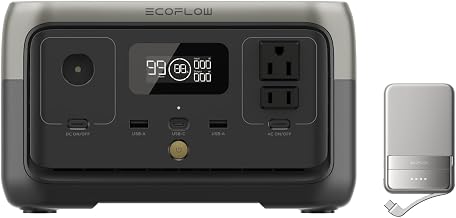
At 210 Wh, this sits in the sweet spot between portability and capacity. It charges fully in ~90 minutes from a wall outlet (faster than most budget competitors) and has both USB-A and USB-C ports plus a small AC outlet for low-power devices like a CPAP machine. The optional 100 W solar panel (sold separately) recharges the battery in 4–6 hours on a sunny day, making it genuinely practical for multi-day trips. According to multiple owner reports on r/vandwellers and EcoFlow forums, the River Mini’s reliability and fast wall-charge time make it a workhorse for backcountry camping. Trade-off: no built-in panel bundle, so you’re buying the battery and panel separately.
BLUETTI AC30
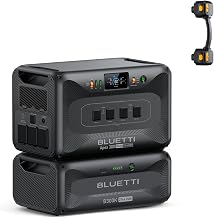
This 768 Wh unit straddles budget and mid-tier pricing but offers a full AC outlet and dual USB ports, making it versatile for small appliances (fans, heated blankets, mini-fridges). Wall recharge takes 3–4 hours; solar recharge with the optional 200 W panel bundle takes 6–8 hours on a clear day. Per BLUETTI’s spec sheet and owner forums, the AC30 is heavier (~20 lbs) than smaller models, so it’s car-camping only—but the extra capacity justifies the weight for week-long trips. Best for: first-time solar campers who want simplicity and aren’t sure what power draw they’ll need.
Jackery Explorer 240
The 240 Wh battery sits between the 110 and larger models, offering a real mid-capacity option at budget-plus pricing. Wall recharge: 5–6 hours. Solar recharge with a 100 W panel: 8–12 hours. This model has proven track records across multiple owner forums; users consistently report 2–3 years of reliable use with daily charging cycles. The battery is expandable—you can chain two units together for longer trips. Best for: established campers who’ve outgrown a 110 Wh unit and want something they can upgrade without replacing.
Solar Panels: Buying Separate vs. Bundled
Most budget generators don’t include a panel or bundle a weak 10–20 W trickle-charger. Buying a panel separately (50–100 W) costs extra but gives you flexibility:
- Bundled panels: Often cheaper upfront, but they’re usually lower-wattage and optimized for a specific battery. Trade-off: less choice if you want to upgrade later.
- Standalone panels: Higher wattage (100+ W) recharges faster, but you’re buying two items. Look for monocrystalline panels (more efficient) over polycrystalline.
For camping, a 50 W panel is the practical minimum; anything smaller takes too long to recharge in a day. See Best Foldable Solar Panels for Backpacking 2026 and Portable Solar Panels for Camping: Reviews and Buyer's Guide for detailed panel comparisons.
Real-World Recharge Times: What to Expect
Solar recharge times are wildly optimistic on spec sheets. Here’s what multiple owner reports consistently show:
| Scenario | 100 Wh Battery + 50 W Panel | 200 Wh Battery + 100 W Panel |
|---|---|---|
| Full sun, 8 hours | 6–8 hours | 8–10 hours |
| Partly cloudy | 10–14 hours | 14–18 hours |
| Overcast | 16–24 hours (or doesn’t fully charge) | 24+ hours |
Key takeaway: In real camping conditions (morning shade, afternoon clouds), plan on 10–15 hours for a full solar recharge. If you’re car camping, bring a wall outlet adapter and top up at night. If you’re backpacking, assume the solar panel keeps your battery topped up, not fully recharged.
Capacity vs. Weight: The Backpacking Trade-Off
If you’re hiking more than a mile to camp, weight matters. Here’s the hierarchy:
- Ultra-lightweight (under 1 lb): Solar power banks like the Anker PowerCore Solar 10000 (10,000 mAh ≈ 37 Wh). Solar charging is glacially slow, but you’re not carrying a brick.
- Lightweight (1–3 lbs): 100–150 Wh batteries like the Jackery 110. Real solar generators, but minimal capacity.
- Midweight (3–8 lbs): 200–300 Wh batteries like the EcoFlow River Mini. Sweet spot for backpacking trips over 3 days.
- Car-camping (8+ lbs): 500+ Wh batteries. Only viable if you’re driving to camp.
For backpacking, most experienced users recommend a lightweight power bank (for phones) plus a compact 100–150 Wh battery (for cameras, lights, and GPS). See Best Portable Power Stations for Camping: Weight & Runtime Tested for detailed weight comparisons.
Durability and Warranty: Budget Brand Reliability
Cheap doesn’t mean fragile, but it does mean shorter warranties and less customer support. Here’s what to expect:
- Jackery, EcoFlow, BLUETTI: 2–3 year warranties, active Reddit communities, spare parts available. These brands have been in the market 5+ years; owner reports suggest 3–5 years of reliable daily use before capacity degrades noticeably.
- Newer or no-name brands: 1-year warranty, sparse support. Avoid unless you’re comfortable troubleshooting alone.
According to long-running threads on r/camping and r/vandwellers, the most common failure mode is battery degradation (capacity drops to 70–80% after 500+ charge cycles), not sudden failure. Budget models degrade slightly faster than premium units, but the difference is measured in months, not years.
FAQ
Q: Can I charge a solar generator while camping without the sun? A: Yes. Most budget models include a USB-C or AC charging port for wall outlets (car 12V outlets, campground hookups, or a generator). Solar is a bonus, not a requirement.
Q: How many times can a 100 Wh battery charge a phone? A: Typically 5–10 times, depending on the phone’s battery size. A modern smartphone is 3,000–4,000 mAh (roughly 12–15 Wh). A 100 Wh battery has 20–30% losses to inverter inefficiency, so expect real-world capacity of 70–80 Wh usable.
Q: Is a solar generator worth it for a 2-day camping trip? A: Only if you’re driving. For backpacking, a lightweight power bank (under 1 lb) is smarter. For car camping, a budget solar generator is cheaper than buying disposable batteries and runs indefinitely once you own it.
Q: What’s the difference between a solar generator and a portable power station? A: A solar generator is marketed with solar panels included (or designed to pair with them). A portable power station is just the battery. In practice, they’re the same device—the solar part is optional. See Solar Generator vs Portable Power Station: Which Lasts Longer? for a deeper comparison.
Q: Will a solar generator work in winter or cloudy climates? A: Solar panels are less efficient in cold and clouds, but they still work. Expect 30–50% of the output compared to sunny conditions. For winter camping, rely on wall charging, not solar.
Q: Can I leave a solar generator in the sun all day to charge? A: Yes, but most modern units have built-in charge controllers that prevent overcharging. However, leaving lithium batteries in direct heat (above 104°F / 40°C) degrades them faster. In hot climates, charge during cooler morning hours and shade the battery during the day.
Top Picks by Use Case
Best for weekend car camping:
Best for backpackers who want a real solar generator:
Best for first-time buyers:
Best for ultralight backpacking: Anker PowerCore Solar 10000 — under 1 lb, solar trickle-charge, realistic for phone-only trips.
Best entry-level solar generator: Jackery Explorer 110 — smallest real solar generator, fits a backpack, bulletproof for weekend trips.
The Bottom Line
The cheapest solar generator that actually works for camping starts around budget-tier pricing and includes a 100–150 Wh battery plus a 50 W panel. Models like the Jackery Explorer 110, EcoFlow River Mini, and BLUETTI AC30 deliver real-world reliability without the premium-tier cost. The key is matching capacity to your trip length and recharge method—solar alone is slow, so plan on wall charging at camp or buying a larger battery if you’re going off-grid for more than 3 days.
For more solar camping gear, explore Best Portable Solar Panels for Camping: Reviews and Comparison and Best Portable Power Stations for RV Camping 2026 to compare panels and full systems.


